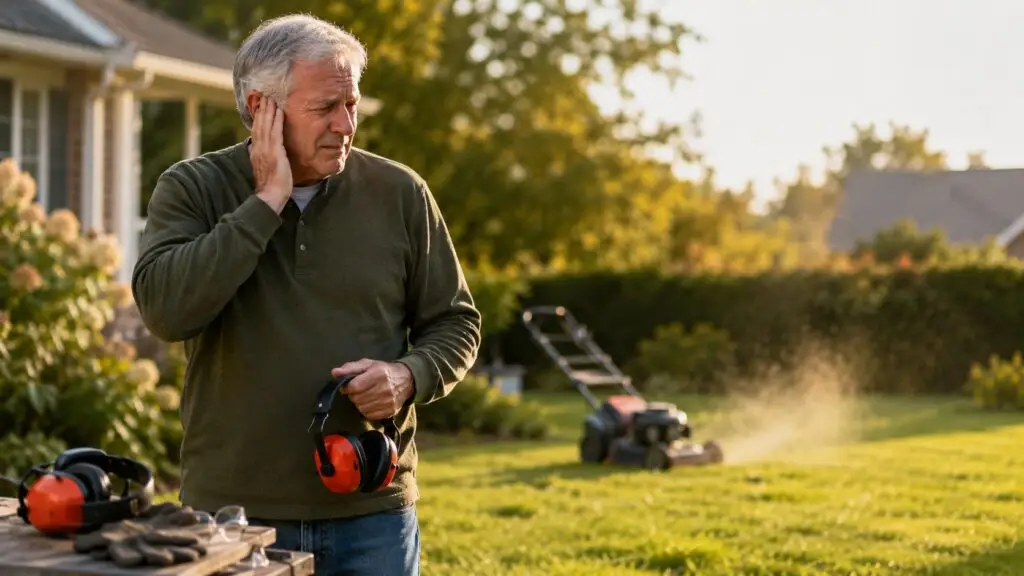
Noise-induced hearing loss can begin quietly, without pain or an obvious warning. However, everyday sounds may slowly damage your ability to understand speech. These changes can affect conversations, safety, work, and personal confidence. Fortunately, early action can help protect your remaining hearing.
What Is Noise-Induced Hearing Loss?
Noise-induced hearing loss develops when harmful sound damages sensitive structures inside the ear. Sometimes, one powerful blast causes immediate damage. More often, repeated loud exposure creates gradual changes over many years.
For example, concerts, firearms, power tools, machinery, and loud headphones can create harmful sound levels. Also, the risk increases when loud exposure lasts longer. Because damage often develops slowly, many people miss the earliest warning signs.
Seven Warning Signs of Noise-Induced Hearing Loss
1. Speech Sounds Muffled
Speech may sound unclear, distant, or incomplete. You might hear someone talking but miss important words. As a result, conversations can become tiring and frustrating.
2. Busy Places Become Difficult
Restaurants and family gatherings may become harder to enjoy. Background sound can cover voices you want to hear. Therefore, you may begin avoiding social situations.
3. The Television Keeps Getting Louder
Normal television volume may suddenly seem too low. Meanwhile, relatives may complain that the sound is uncomfortable. This difference often signals a meaningful hearing change.
4. Your Ears Ring After Loud Noise
Tinnitus may sound like ringing, buzzing, humming, or hissing. In addition, it may appear after concerts, gunfire, machinery, or loud yardwork. Tinnitus and noise-induced hearing loss often occur together.
5. Certain Voices Become Harder to Understand
Higher voices may become less clear after repeated noise exposure. For example, children and many women may sound less distinct. Still, deeper voices may remain easier to understand.
6. You Ask People to Repeat Themselves
Words may begin blending together during normal conversation. Consequently, you may ask others to repeat, slow down, or speak louder. Loved ones often notice this pattern first.
7. Hearing Feels Dull After Loud Activities
Temporary dullness may follow a concert or noisy project. However, repeated episodes may signal developing noise-induced hearing loss. Even so, many people ignore this warning.
Common Noise Risks Around Northumberland
People in Northumberland encounter loud sounds during work, hobbies, home projects, and community events. Common sources include lawn equipment, workshops, construction tools, concerts, firearms, and motorsports. Also, loud headphones can create risk during everyday listening.
Noise-induced hearing loss depends on volume, exposure time, distance, and hearing protection. Because louder sounds can cause damage faster, every minute matters. Therefore, stepping away from loud equipment can reduce exposure.
How to Prevent Noise-Induced Hearing Loss
First, wear properly fitted earplugs or protective earmuffs around loud equipment. Next, reduce headphone volume and take regular quiet breaks. Also, avoid standing close to speakers during concerts or events.
The CDC recommends avoiding loud sound whenever possible. However, proper protection can reduce risk when noise cannot be avoided. Review the CDC hearing protection guidance before your next loud activity. duced hearing loss prevention should become a regular habit. For example, store earplugs near tools, hunting supplies, and lawn equipment. As a result, protection becomes easier to remember and use.
Custom hearing protection may provide better comfort for frequent users. In addition, a secure fit can support consistent protection. Our Northumberland clinic can explain available protection options.
When Should You Schedule a Hearing Test?
Schedule a hearing test when conversations become harder to follow. Also, consider testing after repeated workplace noise or sudden loud exposure. A test can identify patterns connected with noise-induced hearing loss.
The brain can gradually adapt to reduced hearing. However, adaptation does not mean your hearing remains healthy. Therefore, testing provides a clearer picture of your current hearing.
Early testing also creates a useful baseline. As a result, future changes become easier to identify. Regular testing can support better long-term decisions.
Can Prescription Hearing Aids Help?
Prescription hearing aids cannot repair damaged inner-ear structures. However, prescription hearing aids can improve access to speech and important environmental sounds. They may also reduce listening effort during conversations.
Modern prescription hearing aids can match your individual hearing pattern. In addition, prescription hearing aids may improve speech clarity in challenging settings. Some prescription hearing aids also include features supporting tinnitus relief.
A professional fitting matters when noise-induced hearing loss affects several sound ranges. Because every hearing pattern differs, prescription hearing aids require careful programming. Follow-up adjustments can further improve comfort and clarity.
Why Tinnitus Relief May Matter
Tinnitus may become more noticeable during quiet moments. However, background sound and better access to speech may reduce its impact. Tinnitus relief plans can include education, sound support, and practical coping strategies.
Prescription hearing aids may help when tinnitus occurs with hearing loss. Also, improved access to outside sounds may make internal ringing less noticeable. Your results will depend on your individual hearing needs.
Take the Next Step in Northumberland
Noise-induced hearing loss does not mean meaningful conversations must disappear. First, protect your ears from additional noise. Next, schedule a hearing test when warning signs appear.
Our Northumberland clinic can explain your results using clear, comfortable language. We can also discuss hearing protection, tinnitus relief, and prescription hearing aids. Finally, taking action now can support better hearing and stronger connections.
Noise-induced hearing loss is often preventable, yet existing damage may be permanent. Therefore, do not wait until communication becomes severely difficult. Protect your hearing today and schedule a professional hearing evaluation.